







Search Results for: formaldehyde exceeding standards

Starbucks Korea admits summer giveaway storage bags contain formaldehyde, publicly apologizes and adjusts the campaign plan
Starbucks Korea recently issued a public apology after a summer promotional giveaway was found to contain formaldehyde. The incident began when an employee at an anonymous testing agency posted on social media alleging that the Summer Carry Bag travel tote contained formaldehyde, following earlier consumer complaints that the bag emitted a fishy odor resembling squid. Starbucks Korea immediately suspended the giveaway and sent the product for testing, which ultimately confirmed the presence of formaldehyde. The company announced that customers who had already redeemed the bag could return it and receive a beverage voucher as compensation, while also removing the promotional reward and pledging to strengthen safety verification procedures for future merchandise. [more…]
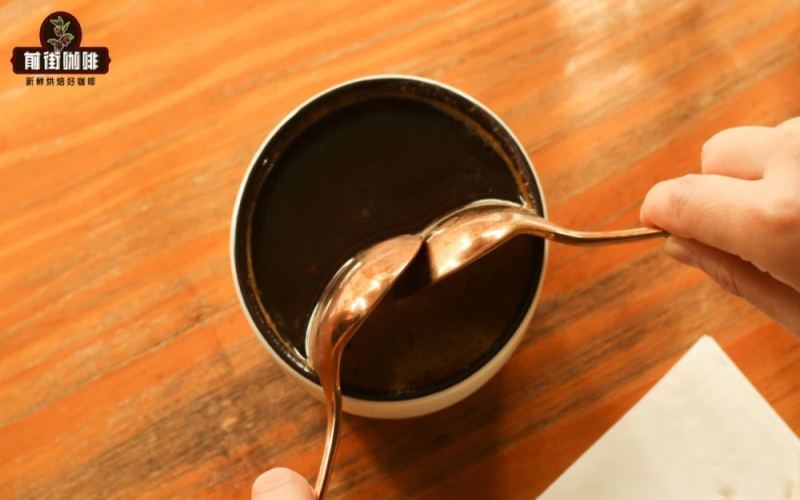
How Else Can You Use Coffee Beans Past Their Peak? Brewing Adjustment Tips and Practical Ways to Reuse Stale Beans
The optimal flavor period for coffee usually refers to 4 to 6 weeks after roasting. Beyond this period, floral notes, fruity acidity, and chocolatey sweetness noticeably diminish or even disappear. Although there is no way to restore coffee beans to a fresh state, adjusting the grind size, the blooming pour, and the circular pouring technique can still improve the taste in the cup. In addition, coffee beans past their expiration date but still within their shelf life need not be discarded in a hurry. Front Street Coffee has tried several down-to-earth reuse methods, such as removing odors, making natural dyes, and spreading them at the bottom of ashtrays, which are both practical and help reduce waste. This article will systematically introduce the key points for brewing stale coffee beans and the many uses for expired beans. [more…]
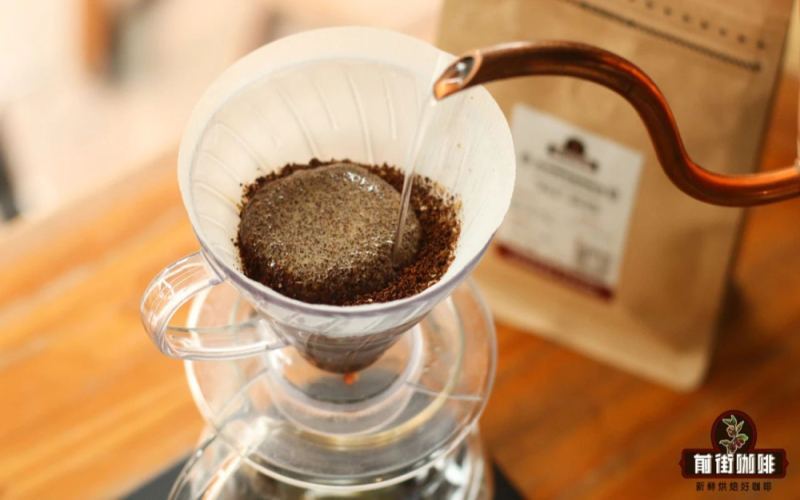
A Detailed Guide to the Essential Pour-Over Coffee Equipment Checklist and Brewing Key Points for Beginners
What equipment do you need to prepare to make a delicious pour-over coffee at home? And what key points should you master during brewing? This article starts with equipment such as the pour-over kettle, dripper, grinder, thermometer, digital scale, filter paper, sifting mesh, and server, introducing one by one the mainstream choices in each category and Front Street Coffee's experience using them. It then explains six aspects: water temperature, grind size, coffee-to-water ratio, water quality, coffee beans, and brewing technique, helping beginners get started quickly and produce consistent results. [more…]
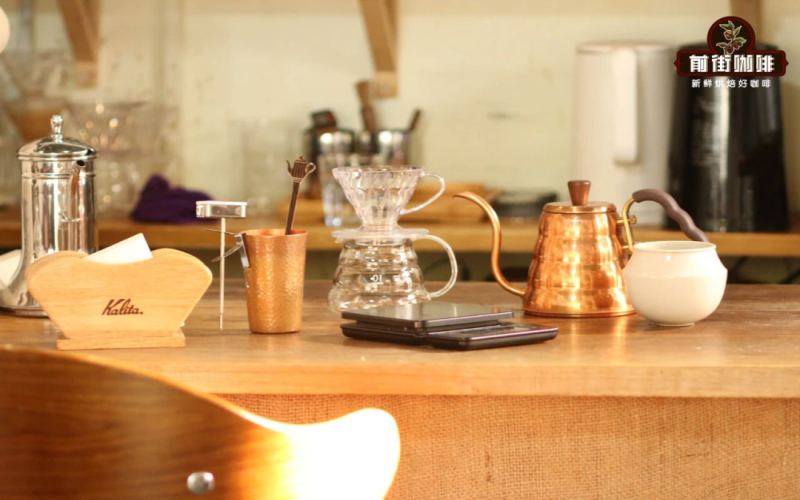
Pour-Over Coffee Basics for Beginners | What Pour-Over Coffee Equipment Do Coffee Beginners Need to Prepare? What Roles Do the Coffee Pot, Coffee Grinder, Powder Sifting Net, and Coffee Dripper Play?
With the rise of the third wave of specialty coffee, more and more people are paying attention to coffee, including how to make a cup of coffee. Front Street Coffee believes that if you want to make coffee at home, the simplest option is pour-over coffee, since the equipment you buy isn't as bulky as an espresso machine and [more…]
From Choosing Equipment to Pouring Technique: A Complete Guide to Pour-Over Coffee Basics, Water Temperature, Grind Size, and Coffee-to-Water Ratio
For making an authentic single-origin coffee at home, pour-over is often the lowest-barrier and quickest option to master. The equipment isn't as bulky or expensive as espresso machines, and as long as you grasp a few key parameters, your results will gradually become consistent. Drawing on the hands-on experience of Front Street Coffee, this article systematically lays out the equipment setup needed for pour-over coffee, including guidance on choosing a gooseneck kettle, dripper, grinder, thermometer, digital scale, filter paper, fines sifter, and server; it also breaks down how six major variables—water temperature, grind size, coffee-to-water ratio, water quality, bean freshness, and pouring technique—affect flavor, and uses a three-pour method as an example to explain how to control blooming, pouring rhythm, and extraction time, helping enthusiasts build a reproducible brewing framework. [more…]
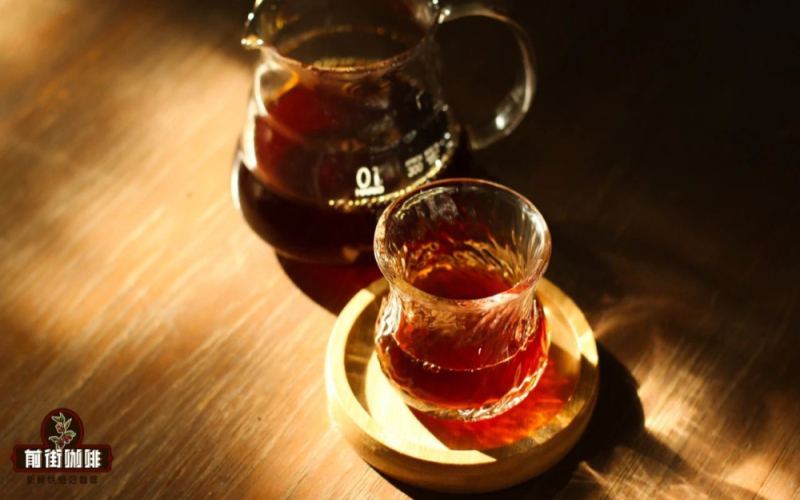
A Beginner's Guide to Pour-Over Coffee: Equipment Recommendations, Brewing Step-by-Step Guide, and Cost-Effective Everyday Beans
The appeal of pour-over coffee lies in the fact that everyone can brew a flavor that is uniquely their own. This article is aimed at home enthusiasts and small coffee shops, and provides a systematic overview of all the equipment needed to get started with pour-over—from gooseneck kettles, drippers, and grinders to filter papers, digital scales, thermometers, and carafes—offering an analysis of the pros and cons of specific brand models along with purchasing advice, and including a complete eight-step brewing tutorial. Finally, it recommends several highly cost-effective Front Street single-origin coffee beans, at a cost of only about six yuan per cup, making them ideal for daily practice and home enjoyment. [more…]

Nongfu Spring Sends Legal Letter Demanding Apology from Hong Kong Consumer Council, Bottled Water Bromate Controversy Continues to Simmer
Recently, the Hong Kong Consumer Council published a bottled water test report in the magazine "Choice," pointing out that the bromate levels in samples of Nongfu Spring and Ganten reached the European Union's limit for natural mineral water, sparking widespread attention. Nongfu Spring immediately commissioned a lawyer to send a legal letter to the Consumer Council, demanding written clarification, an apology, and the elimination of the impact; Ganten also stated that it had made representations through its legal department and emphasized that its product was at the critical value of the EU standard rather than exceeding it. The China Beverage Industry Association said it would issue a response later. The Consumer Council reiterated that none of the 30 samples were found to contain harmful substances exceeding WHO guidelines, and that the article focused on value for money and the environmental impact of plastic bottles, and that all samples could be safely consumed. [more…]
Espresso Extraction Flow Rate Anomalies: Analysis of Causes and Adjustment Methods for Fast-Then-Slow Flow
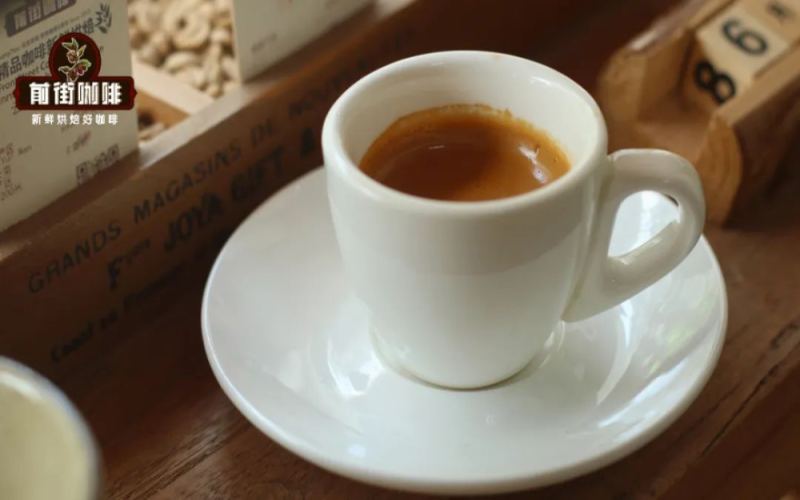
When extracting espresso, the normal flow rate should start slow and gradually speed up, but sometimes the exact opposite occurs—after pressing the extraction button, the coffee liquid bursts out violently, then quickly thins and slows down. This abnormal flow rate—fast first, then slow—often indicates a problem with the extraction yield, and the resulting espresso's flavor is less than ideal. From Front Street's perspective, this article systematically breaks down the four major factors behind this phenomenon: the dose exceeding the basket's standard gram weight, uneven tamping causing channeling, the pressure pump set too high leading to an overly aggressive extraction, and the coffee beans having finished degassing and no longer being fresh. For each cause, the article provides specific adjustment solutions to help coffee enthusiasts find the root of the problem and correct it. [more…]
International Fair Trade Organization Upgrades Coffee Certification Standards to Fully Align with EU Deforestation Regulation
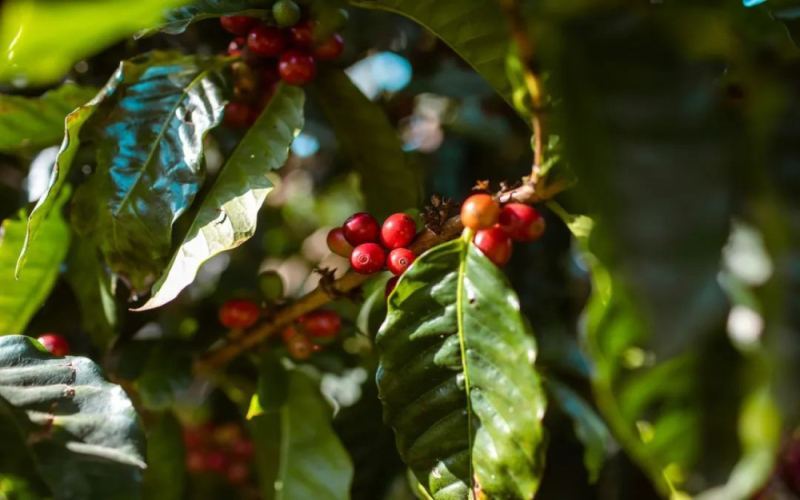
The international Fairtrade organization recently published revised coffee certification standards, aiming to meet or even exceed the various requirements of the EU Deforestation Regulation (EUDR). The new rules will cover all Fairtrade-certified coffee, not limited to products exported to the EU, and strengthen monitoring and reporting obligations for producer organizations and traders. The standard is expected to take effect in 2026, involving approximately 600 cooperatives, 870,000 coffee farmers, and 1.1 million hectares of cultivated land. To implement deforestation monitoring, Fairtrade has commissioned the Dutch company Satelligence to provide satellite data services. Meanwhile, the EUDR will take effect for large European companies between the end of 2024 and early 2025, and the coffee industry is actively adjusting to comply with this regulation. [more…]
A Comprehensive Interpretation of the Origin Grading System and Flavor Characteristics of Jamaican Blue Mountain Coffee Beans
Blue Mountain Coffee is widely recognized as one of the world's top coffees, a status inseparable from its exceptional natural conditions and the Jamaican government's almost stringent industry regulation. The Blue Mountain range lies in eastern Jamaica, where the azure waters of the Caribbean Sea reflect off the peaks, giving the region its name. Its highest peak rises 2,256 meters above sea level, with a cool, foggy climate, abundant rainfall, and fertile volcanic soil providing an ideal growing environment for coffee. In the mid-20th century, due to inconsistent export quality, Canada once refused to accept Blue Mountain Coffee, prompting Jamaica to establish the Coffee Industry Board (CIB) in 1948, building a strict quality standard and certification system. Blue Mountain Coffee is classified by screen size into No.1 through No.3 and Peaberry grades. The government has also designated specific cultivation areas and processing plants, with dedicated supervision from harvesting, fermentation, and drying to barrel packaging. This article will systematically outline the classification, grade standards, and unique craftsmanship of Blue Mountain Coffee, offering you a comprehensive understanding of this legendary coffee. [more…]

Cappuccino Milk Foam Thickness Standards and Texturing Analysis: From Classic Recipe to Modern Evolution
As a representative of Italian milk coffee, the thickness and degree of frothing of cappuccino's milk foam have always been a core concern for coffee enthusiasts. Starting from the classic 1:1:1 recipe, this article traces the evolution of cappuccino across different historical periods, analyzes the reasons behind the change in milk foam thickness from 2.5cm to 1-2cm, and explores the influence of latte art culture on the form of takeaway cappuccino. At the same time, drawing on the practical experience of Front Street Coffee, it explains how a small cup size, filling to 11 parts, a rich coffee flavor, and dense milk foam together constitute the essential characteristics of cappuccino, helping readers understand the positioning and identification methods of this classic beverage in the modern coffee environment. [more…]
Blue Mountain Flavor vs Authentic Blue Mountain Coffee Beans: Flavor Characteristics, Taste Description, and Brewing Recommendations
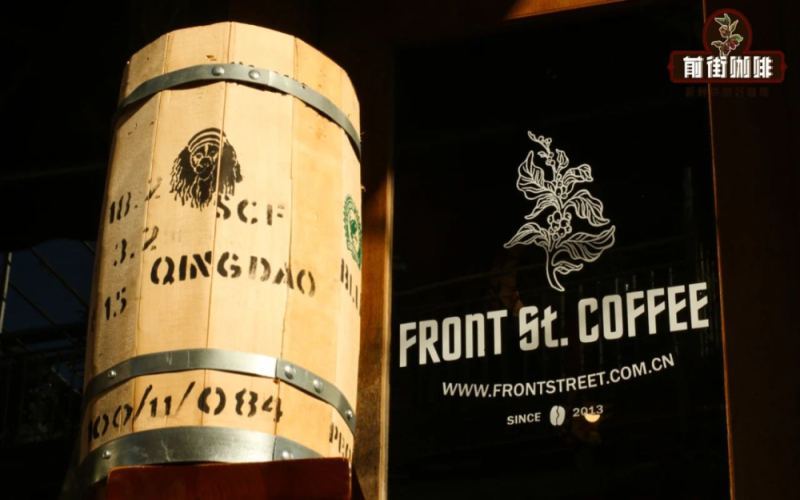
Blue Mountain coffee has long been regarded as the pinnacle of coffee, yet a great many beans on the market labeled "Blue Mountain flavor" are actually far removed from genuine Jamaican Blue Mountain. This article systematically sorts through the differences between Blue Mountain flavor coffee beans and authentic Blue Mountain coffee beans—from definitions, origin certification, and grade classification to actual brewing—to help you see through the word games on packaging. It also explains in detail the growing conditions of Blue Mountain coffee, the reasons for its scarce output, its grading standards, and quality controls, and includes Front Street Coffee's recommended KONO dripper brewing method, so that you can both understand Blue Mountain and brew a good cup of it. [more…]
Jamaica Blue Mountain No. 1 Coffee Complete Guide: Region Grades, Clifton Estate, and Front Street Brewing Flavor Guide
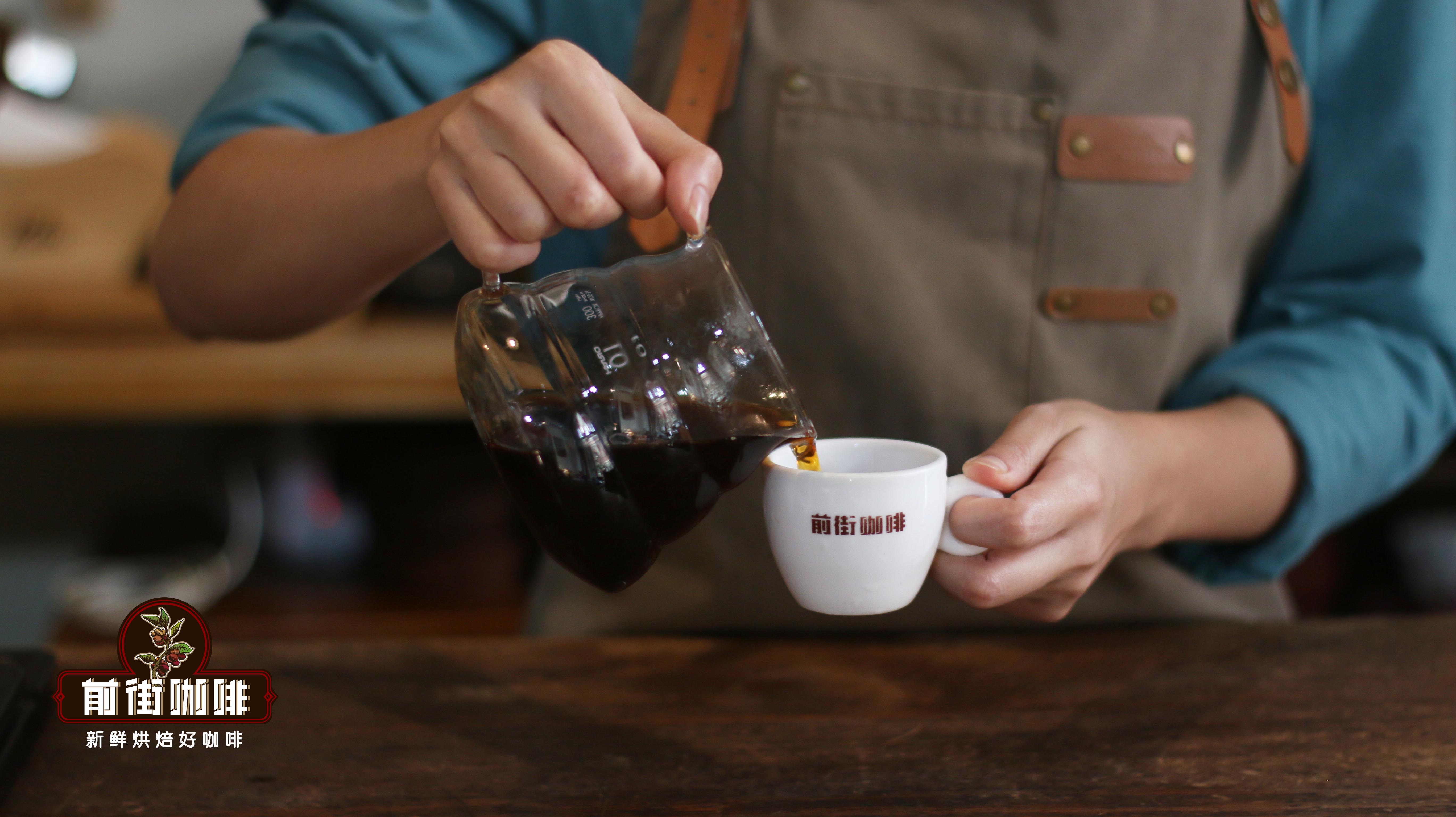
Jamaica Blue Mountain No. 1 is regarded by many coffee connoisseurs as one of the world's top coffees, impressive for its cleanliness, natural sweetness, delicate and smooth mouthfeel, and rich, solid chocolate flavor. This article focuses on Front Street Jamaica Blue Mountain No. 1, outlining the legal production regions of Blue Mountain coffee, the C.I.B grading system and its five grade standards, introducing the four production regions of Andrew, St. Thomas, Portland, and St. Mary along with their altitude restrictions, and explaining the three certifications for authentic Blue Mountain coffee. It also presents information on Front Street Blue Mountain No. 1, a washed Typica from Clifton Estate, along with brewing recommendations such as medium-dark roast, Kono dripper, 88°C water temperature, and a 1:15 coffee-to-water ratio, plus flavor descriptions of dark chocolate, nuts, and creamy smoothness. [more…]
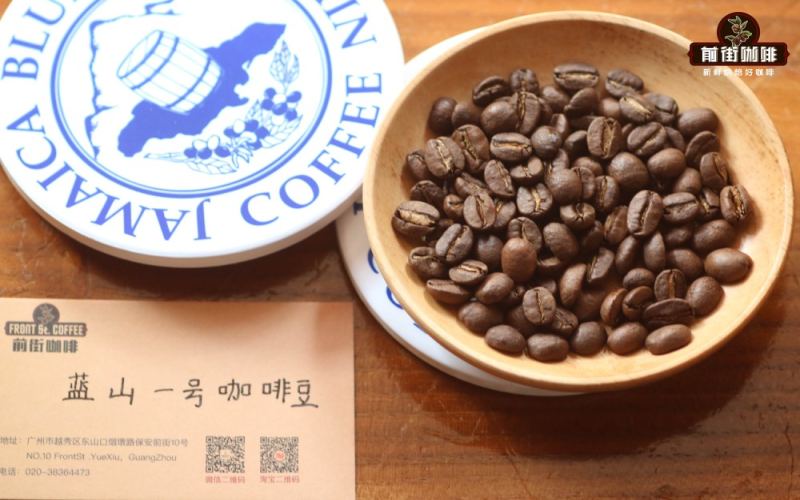
A Complete Analysis of Jamaican Blue Mountain No. 1 Specialty Coffee Beans: Origin History, Grading Standards, and Pour-Over Flavor
Blue Mountain coffee, as a leader among specialty coffees, is world-renowned for its mellow, balanced flavor. This article will take you through the historical origins, growing environment, grading standards, varietal characteristics, and processing methods of Jamaican Blue Mountain coffee, giving you a comprehensive understanding of genuine Blue Mountain No. 1 coffee. At the same time, Front Street Coffee will share the pour-over parameters and flavor descriptions for Blue Mountain coffee, including the taste differences between the natural and washed processing methods, helping coffee lovers better appreciate this legendary coffee. [more…]

Is Jamaican Blue Mountain Coffee a Specialty Coffee? A Full Analysis of Its Flavor Characteristics and Strict Grading System
Blue Mountain coffee is often hailed as the finest of coffees, but does it really count as specialty coffee? This article analyzes Blue Mountain coffee from multiple angles—its growing environment, flavor profile, the Jamaican government's strict regulatory system, the CIB certification framework, export grading standards, and the tradition of wooden barrel packaging—and also examines the special position of Wallenford Estate in quality control. At the same time, drawing on the recommendation perspective of Front Street Coffee, it helps coffee enthusiasts gain a comprehensive understanding of Blue Mountain coffee's true standing and unique value. [more…]
How Are Colombian Green Coffee Beans Graded? A Detailed Explanation of Supremo and Excelso Screen Size Standards and Defect Tolerances
Colombia is a major producer of global Arabica coffee, and its green bean exports follow a grading system centered on defect rates and bean size. What exactly do the Supremo and Excelso labels commonly seen on the market represent? Starting from FNC's export standards, this article sorts out Excelso's mandatory requirements, the logic behind screen-size grading, and the specific tolerance rates for the three commonly used grades UGQ, EP, and Supremo, while also explaining the defect scoring rules behind the number string "12*60," helping coffee enthusiasts decipher the grading code in the names of Colombian green coffee beans. [more…]
A Detailed Explanation of Colombian Green Coffee Grading: The Meaning, Standards, and Screen Size Classification of Supremo and Excelso
Colombia, as one of the world's major coffee-producing countries, has a strict grading system for its exported green beans. What exactly do the commonly seen Supremo and Excelso labels on the market represent? This article will systematically explain the grading logic of Colombian green coffee beans from the perspectives of FNC export standards, defect rate requirements, and screen size grading, helping coffee enthusiasts understand the difference between Supremo and Excelso, and how they affect coffee quality and flavor performance. At the same time, the article will also mention Front Street Coffee's Colombia Huila daily beans as a practical naming example. [more…]
A Complete Analysis of Jamaica Blue Mountain No. 1 Coffee Beans: Flavor and Origin Secrets from Clifton Estate to CIB Grading
With its balanced, full-bodied, and steady taste, Blue Mountain coffee has remained a classic choice in the hearts of seasoned coffee lovers for decades. This article will give you a comprehensive understanding of Jamaica Blue Mountain coffee's origin conditions, the official CIB grading standards, how to identify authentic products, and the unique charm of the Clifton Estate Blue Mountain No. 1 selected by Front Street Coffee. From altitude classification to wooden barrel export certificates, from the Typica variety to its flavor performance in the cup, this one article will help you understand this legendary bean known as the "Emperor of Coffee." [more…]

The caffeine content in milk tea is not to be underestimated: one cup of milk tea may equal three cups of Americano, so sensitive individuals need to be cautious.
In recent years, milk tea has become a daily beverage for young people, but the caffeine content hidden within it is often overlooked. Some studies show that a single cup of milk tea may contain as much caffeine as three or more cups of Americano, and may even exceed the recommended daily intake. This article sorts out the sources of caffeine in milk tea, its health effects, and consumption tips, to help coffee enthusiasts and milk tea lovers make more rational beverage choices. At the same time, it also reminds readers to pay attention to the extra health burden brought by sugar and toppings. Whether you choose coffee or milk tea, only by understanding the ingredients can you drink with peace of mind. [more…]
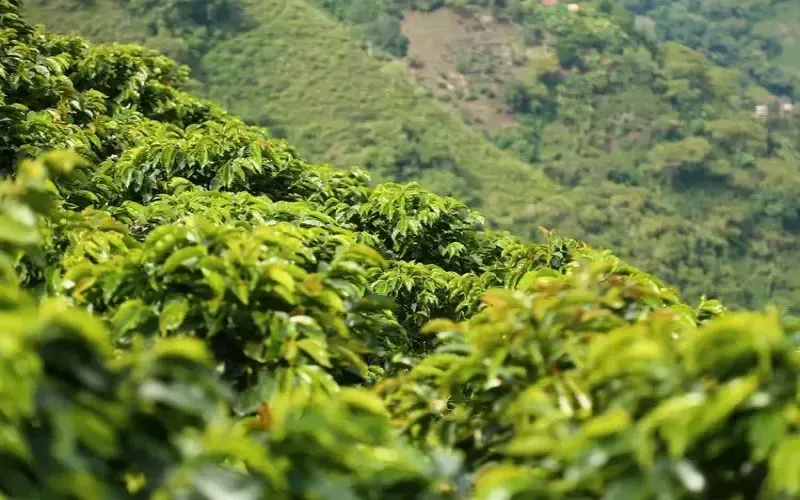
The Terroir and Grading Standards of Colombian Coffee: From the Andes Mountains to the Huila Region
Colombia is the world's third-largest coffee exporter. Thanks to the high altitudes of the Andes, volcanic-rich soil, and diverse climates, it produces Arabica coffee of consistently high and balanced quality. This article will introduce you to the distribution of Colombia's coffee-growing regions, the terroir advantages of Huila Province, and the Excelso grading standard for export-grade green beans. It will also cover the flavor profile of the Huila Caturra washed beans in Front Street Coffee's everyday drinking series, so you can experience the distinctive chocolate notes and bright fruity acidity of Colombian coffee. [more…]